
Before applying for a business loan, determine how much money your business needs and how you plan to use it. Borrowing more than necessary can increase your interest costs and monthly repayments. For example, a small business that needs money to purchase equipment may require a different type of financing than a company looking to open a new location.
Prepare a realistic estimate of your expenses and calculate how much your business can afford to repay each month. Consider your current revenue, operating costs, employee salaries, rent, and other financial obligations. Having a clear borrowing plan can help you choose an appropriate loan amount and avoid unnecessary debt.
Compare Interest Rates From Different Lenders
One of the most effective ways to find a low-interest business loan is to compare offers from several lenders. Banks, credit unions, online lenders, and government-supported lending programs may offer different financing options depending on your location, business history, credit score, and financial position.
Do not choose a Business Loan based only on its advertised interest rate. Review the annual percentage rate, or APR, when available, because it can include interest and certain borrowing fees. Also compare origination fees, late-payment penalties, repayment schedules, and early repayment charges.
A loan with a slightly higher advertised interest rate may sometimes cost less overall if it has lower fees. Comparing the total repayment amount can help you identify the most affordable option for your business.
Improve Your Business and Personal Credit Scores
Credit history is an important factor lenders consider when evaluating business loan applications. A strong credit score can demonstrate that you manage borrowed money responsibly and make payments on time. Depending on the lender and country, your personal credit history, business credit report, or both may influence the interest rate you receive.
To improve your credit profile, pay existing debts on time, reduce outstanding credit card balances, avoid unnecessary new credit applications, and check your credit report for errors. If your business has limited credit history, establishing accounts with suppliers and paying invoices promptly may help build a stronger business credit profile.
Credit improvement takes time, so review your financial situation before applying. Applying only for Business Loan that match your credit profile can also reduce unnecessary applications and help you focus on realistic offers.
Prepare Strong Financial Documents
Lenders need evidence that your business can repay the loan. Preparing complete and accurate financial documents can make the application process easier and help lenders understand your company’s financial condition.
Commonly requested documents include bank statements, tax returns, profit and loss statements, balance sheets, business registration documents, and cash flow projections. Some lenders may also request a business plan, details about existing debts, or information about the owners.
If you are starting a new business, you may not have years of financial records. In that case, prepare a detailed business plan with realistic revenue estimates, startup expenses, expected operating costs, and a clear repayment strategy. Avoid exaggerating projected income because lenders need credible information to assess risk.
Choose the Right Type of Business Loan
Different loan products serve different purposes, and choosing the right one can affect your borrowing costs.
A traditional term Business Loan provides a lump sum that is repaid over an agreed period. It may suit businesses planning a major purchase or expansion. A business line of credit allows a company to access funds when needed, making it useful for managing temporary cash flow shortages.
Equipment financing can help businesses purchase machinery, vehicles, or other essential assets. The equipment may serve as collateral, depending on the agreement. Small-business administration or government-backed financing programs may also be available in certain countries, although eligibility rules and costs vary.
Compare the options according to your business needs rather than choosing the first loan you qualify for. A shorter repayment period may reduce total interest but increase monthly payments, while a longer term may lower monthly payments but increase the overall cost.
Offer Collateral When Appropriate
Some lenders offer secured business loans that require collateral, such as equipment, vehicles, property, or other eligible assets. Because collateral can reduce the lender’s risk, a secured loan may offer a lower interest rate than an otherwise comparable unsecured loan.
However, collateral creates an important risk. If your business cannot repay the loan, the lender may have the right to seize the pledged asset under the loan agreement and applicable law. Before accepting a secured loan, carefully review the terms and consider whether your business could manage repayments during a period of reduced income.
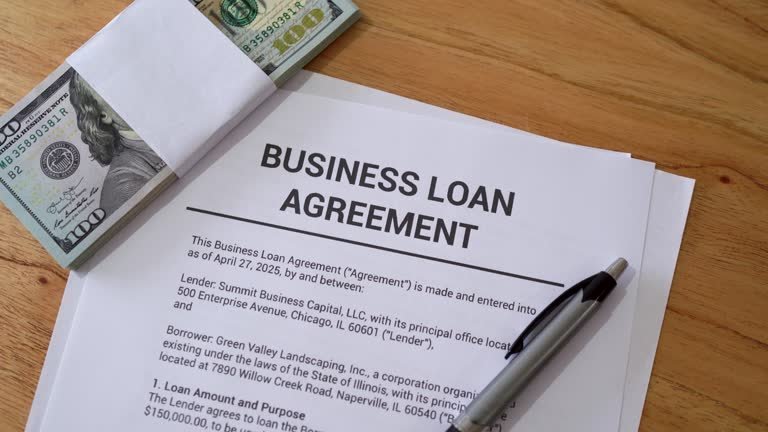
Unsecured loans may be more suitable for businesses that do not have valuable assets to pledge. Compare both types of financing and evaluate the total cost, repayment requirements, and potential consequences before deciding.
Apply at the Right Time
The timing of your loan application can influence the options available to your business. Lenders generally prefer to see stable revenue, manageable debt, and a clear ability to repay. If possible, avoid applying during a period of serious cash flow problems or when your financial records are incomplete.
Review your recent business performance and identify any weaknesses before submitting an application. Reducing unnecessary expenses, paying overdue bills, and organizing financial statements may strengthen your position.
If your business is seasonal, prepare records showing how revenue changes throughout the year. This can help explain periods of lower income and demonstrate how your company plans to make payments during slower months.
Negotiate the Loan Terms
You do not always have to accept the first offer a lender provides. If your business has a strong credit profile, consistent revenue, or a competing offer from another lender, you may be able to negotiate the interest rate, fees, repayment period, or collateral requirements.
Ask lenders whether they offer discounts for automatic payments, existing customers, or businesses with strong financial records. Request a complete written breakdown of the loan costs before agreeing to anything.
Pay attention to variable interest rates, which can change over time, and fixed rates, which generally remain unchanged during the agreed fixed-rate period. Make sure you understand whether the payment amount can increase and how the agreement handles late payments or early repayment.
Avoid Common Business Loan Mistakes
Choosing financing without understanding the terms can create long-term financial pressure. One common mistake is focusing only on the monthly payment while ignoring the total amount payable over the entire loan term. Another is borrowing money without a clear plan for generating enough income to repay it.
Be cautious of lenders that guarantee approval regardless of your financial history or demand unusual upfront payments without clear documentation. Verify the lender’s legitimacy and read the loan agreement carefully before sharing sensitive information or paying fees.
Avoid taking multiple loans to cover repayments on existing debt without a sustainable repayment plan. If your business is already struggling financially, consider reviewing expenses and exploring alternatives before adding new borrowing obligations.
Final Thoughts
Getting a business loan with a low interest rate in 2026 requires preparation, comparison, and a realistic understanding of your company’s finances. Start by calculating how much funding you need, improving your credit profile, and gathering the required documents. Then compare lenders, review the APR and additional fees, and select a loan that fits your repayment capacity.

The lowest advertised rate is not always the best deal. By evaluating the total borrowing cost, understanding the loan terms, and borrowing only what your business can reasonably repay, you can make a more informed financing decision and support your company’s long-term financial stability.